blue ash tree identification
Opposite compound 8 to 12 long with 7 to 9 usually 7 leaflets arranged pinnately. Read customer reviews find best sellers.

Emerald Ash Borer Guelph A Community Response Initiative Page 3
Nigra and blue F.
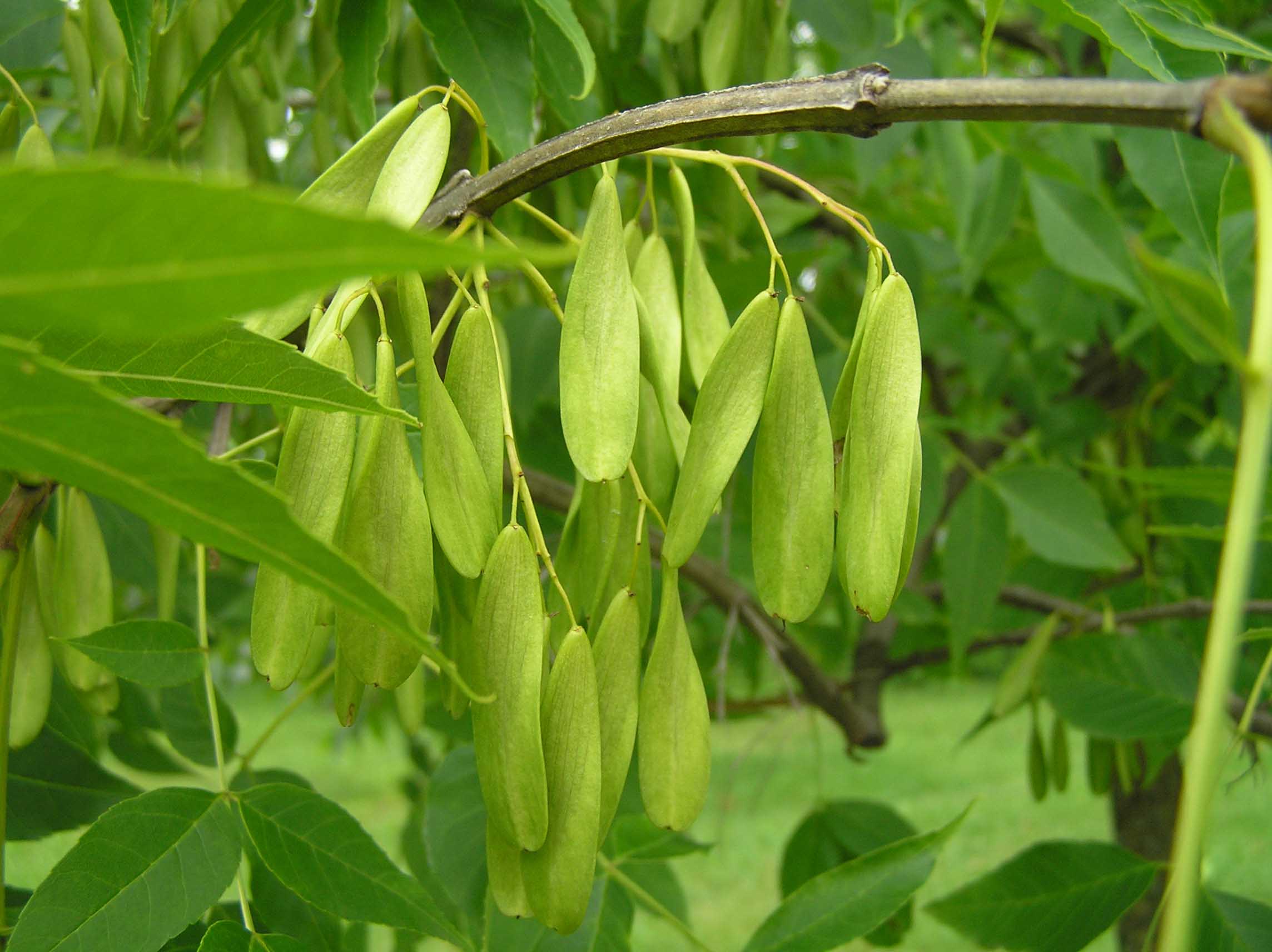
. An ash tree is effortlessly identified by. Americana white ash F. Its not quite as strong or dense as the related White Ash Fraxinus americana.
The first step in determining if a tree has been infested with EAB is to make certain that it is an ash tree. Other native ash trees less commonly found include black ash Fraxinus nigra and blue ash Fraxinus quadangulata not shown. White Ash Fraxinus americana in particular is a keystone species providing food and habitat for numerous organisms from birds and mammals.
The blue ash genus name Fraxinus is from the Latin name for the Old World ash species. Isolated populations exist in Alabama Southern Ontario and small sections of the Appalachian Mountains. Now look at the trees leaves.
Green and white ash are the most commonly found ash species in the Midwest. Fruiting occurs early July through late August. White ash buds are paired with a leaf scar beneath the.
The leaves are 8 to 12 inches long with 7 to 11 leaflets 3 to 5 inches long oval or lance shaped and finely toothed margins. This color was extracted to make dye. There are three common species of ash in middle Tennessee.
Leaflets are somewhat toothed and might be stalked. It was used by pioneers as blue dye. Blue ash trees are medium-sized trees in the Fraxinus genus.
While other woody plants such as mountainash and pricklyash have ash in their name they are not true ash or Fraxinus species. Grows on Rocky Bluffs. Ash species attacked by emerald ash borer include green Fraxinus pennsylvanica white F.
One very prominent feature that you can notice in the Ash tree is the arrangement of the leaves which is precisely opposite to one another on the branches. How To Identify Blue Ash Trees Fraxinus quadrangulata The blue ash tree got its common name from its inner bark that will turn blue when it is exposed to air. Fraxinus quadrangulata is exclusively referred to as blue ash.
This is the quality for. They are not true ash trees however and fall. To identify an ash tree the first thing you should look for is opposite branching.
50 to 75 ft. Ash trees are in the Fraxinus genus within the olive Oleaceae family of woody plants. Extension Bulletin E-2942 New May 2005.
Its botanical namequadrangulatacomes from the trees four-sided twigs. Quadrangulata blue ash F. The size of the blue ash 50 to 75 feet makes it a great shade tree.
This species can be identified year-round. Quadrangulata as well as horticul- tural cultivars of these species. 25 m and have an irregularly rounded crown.
Ash is a member of the olive family and consequently has some unlikely relatives including forsythia lilac privet and olive. You can identify the Ash tree by its leaves branches bark and the seeds. Black ash has 7 to 11 leaflets and is found in wet woods.
Fraxinus quadrangulata the blue ash is a species of ash native primarily to the Midwestern United States from Oklahoma to Michigan as well as the Bluegrass region of Kentucky and the Nashville Basin region of Tennessee. The blue ash Fraxinus quadrangulata is a medium to large-sized tree that is usually 40 to 60 feet tall but can attain a height of 150 feet with a trunk diameter of 3 feet. Blue ash has 7 to 11 leaflets and distinctive 4-angled corky wings on the stem.
Only true ash are susceptible to attack by emerald ash borer. Black ash has 7 to 11 leaflets and is found in wet woods. Green and white ash are the most commonly found ash species in the Midwest with blue ash being rare.
2 3 PREFACE The Ash genus Fraxinus is one of the largest genera of trees in North AmericaAsh species may comprise up to 60 percent of total tree diameter in forests of the northeastern United States. 35 to 60 ft. Blue ash has 7 to 11 leaflets and distinctive 4-angled corky wings on the stem.
The ash trees dont grow taller than 82 ft. Of the ash in Minnesota the blue ash is the easiest to identify due to the square edges of. Leaf color is dark green above and whitish beneath turning gold orange or purple in fall.
The leaves of Fraxinus quadrangulata are compound and opposite. Blue Ash Fraxinus quadrangulata a Wisconsin Threatened plant is found in rich upland hardwoods often with dolomite near the surface. It is the only eastern ash with square twigs.
Ad Browse discover thousands of brands. It can usually be distinguished from the other three species of ash in Wisconsin by the presence of 4-angled or 4-winged branches in slow. Blue ash has a gelatinous substance on its inner bark that turns blue when exposed to air.
They are often used as shade lawn and street trees and were once the most-planted urban tree across the US. Blue Ash is one of a handful of species in the Fraxinus genus that are used as commercial lumber. Ash trees in the genus Fraxinus are susceptible to attack by the emerald ash borer EAB a non-native insect.
Other native ash trees less commonly found include black ash Fraxinus nigra and blue ash Fraxinus quadangulata not shown. In addition Fraxinus excelsior European Ash is sometimes cultivated as a landscape tree in the Eastern United States and Canada. It has complex leaves with 5-11 leaflets based on the specific species of ash.
New rust-colored winter buds sit tucked into. This means that pairs of branches extend off of the tree from the same point but on opposite sides. A few other trees like mountain ash and prickly ash look similar to ash.
Theres an opposite branching pattern two branches come off the primary stem one on each side and opposite one another. Ash trees are one of the common native tree species in the eastern United States and they are also frequently planted as street or landscaping trees. Ash trees always have opposite branching.
To properly identify ash trees use the following criteria. The blue ash is a medium-sized tree that can be identified by its squarish twigs which is the origin of the botanical name Fraxinus quadrangulata or four-cornered ash. Pennsylvanica green ash F.
Blue ash Fraxinus quadrangulata These types of ash trees tolerate urban pollution and their cultivars are often seen as street trees. Leaflets are 3 to 5 long short-stalked ovate or oval pointed at the tip margin smooth or with a few remote teeth. Blooming occurs throughout June.
When stained ash can look very similar to oak Quercus spp although oaks have much wider rays which are visible on all wood surfaceseven on flatsawn surfaces where they appear as short. Blue ash trees get their name from a dark blue or black dye extracted from the trees inner bark. White and green ash are the most commonly planted species in.
Similarly its branches are also located opposite to one another on the tree. White ash Fraxinus americana green ash Fraxinus pennsylvanica and blue ash Fraxinus quadrangulata. You can identify ashes by looking for trees with opposite branching not many trees do this and compound leaves formed by clusters of leaflets.

Ash Trees Types Bark And Leaves Identification Guide Pictures
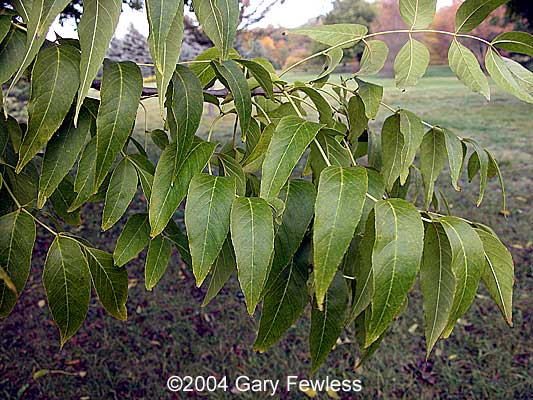
Trees Of Wisconsin Fraxinus Quadrangulata Blue Ash

Identifying Ash Usda Ars

Blue Ash Natural Resource Stewardship
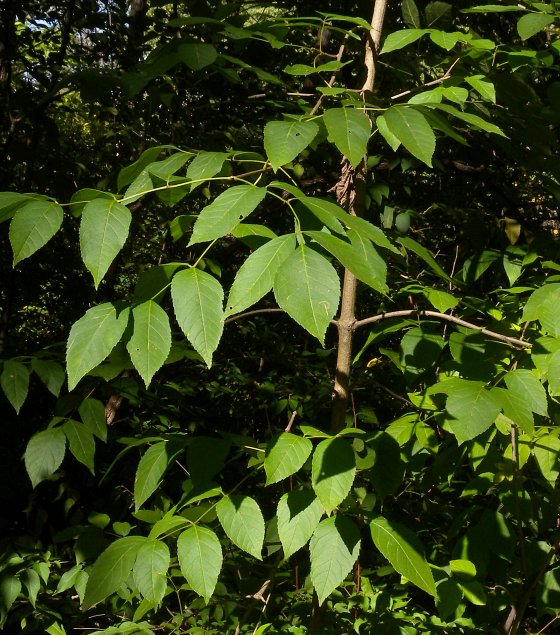
Blue Ash Fraxinus Quadrangulata
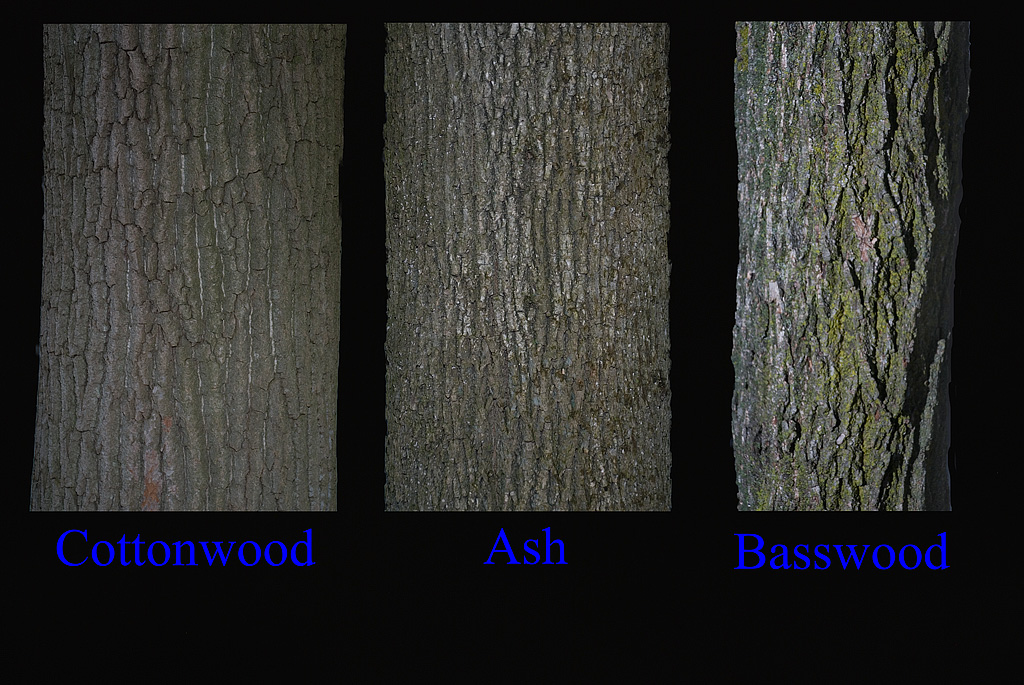
Seeking Survivor Ash Trees The Michigan Nature Guy S Blog

Blue Ash Department Of Horticulture

What Tree Is That Online Edition At Arborday Org

Blue Ash Department Of Horticulture
Blue Ash Purdue Fort Wayne

Blue Ash Purdue Fort Wayne

Blue Ash Campus Trees

4 Things You Didn T Know About The Blue Ash Hobby Farms

Trees Of Wisconsin Fraxinus Quadrangulata Blue Ash

Blue Ash Natural Resource Stewardship
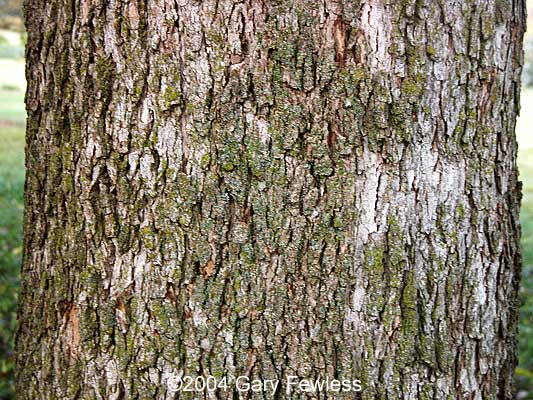
Trees Of Wisconsin Fraxinus Quadrangulata Blue Ash

How Do I Know If I Have An Ash Tree Vanderbilt Arboretum Vanderbilt University

Ash Trees Types Bark And Leaves Identification Guide Pictures
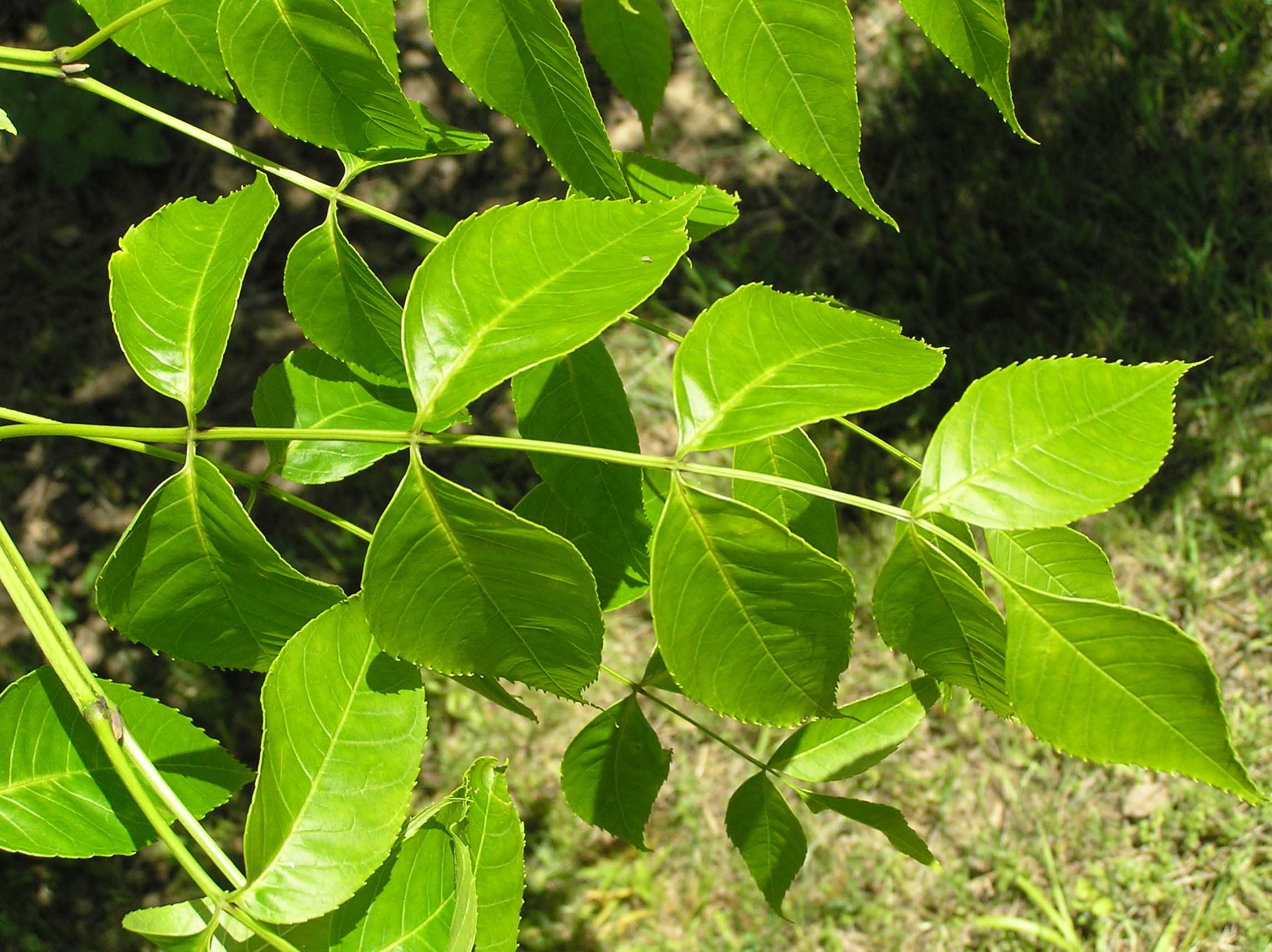
Blue Ash Purdue Fort Wayne